

Every fall, families receive a wave of communication from school. Schedules, supply lists, procedures, teacher introductions, forms, and reminders all arrive within the first week, and almost all of it travels in one direction.
I encourage parents to initiate one important piece of communication of their own: a short introduction email to their child's teacher. The purpose of this email is not to tell the teacher everything there is to know about your child.
The email is an opportunity to offer useful information and establish a positive connection early in the year. Teachers are learning many students at once, and even a few thoughtful details can help them better understand the child sitting in front of them.
What Should Parents Include?

Start with the basics. Share your child's name, including the name they prefer to be called, and then tell the teacher something positive about who your child is as a learner. Perhaps your child is curious, persistent, creative, independent, compassionate, or particularly enthusiastic about certain subjects. Parents often know these qualities well because they have seen them develop over time and across different settings.
It can also be helpful to share what motivates your child. Some students respond strongly to praise, while others are motivated by challenge, movement, responsibility, competition, humor, or opportunities to work with their hands. A child may do especially well when directions are broken into smaller steps, when visual examples are provided, or when they have a little extra time to become comfortable before speaking in a large group. These details do not tell a teacher how to do their job. They simply provide context that may help a teacher make sense of a student's behavior and learning preferences more quickly.
Parents may also want to mention one strategy that has worked well in the past. The key is to keep this focused. A first email does not need to include a full academic history. One or two useful observations are often enough. The email should also communicate that you are available to support your child's learning and that you value a productive relationship with the teacher. That message of partnership is just as important as any specific detail you share about your child.

Don't Wait Until There Is a Problem
Many parent teacher relationships become most active when something has gone wrong. A student is struggling academically. A pattern of missing work has developed. A behavior concern has surfaced. A parent is worried about a grade, or a teacher needs additional support from home.
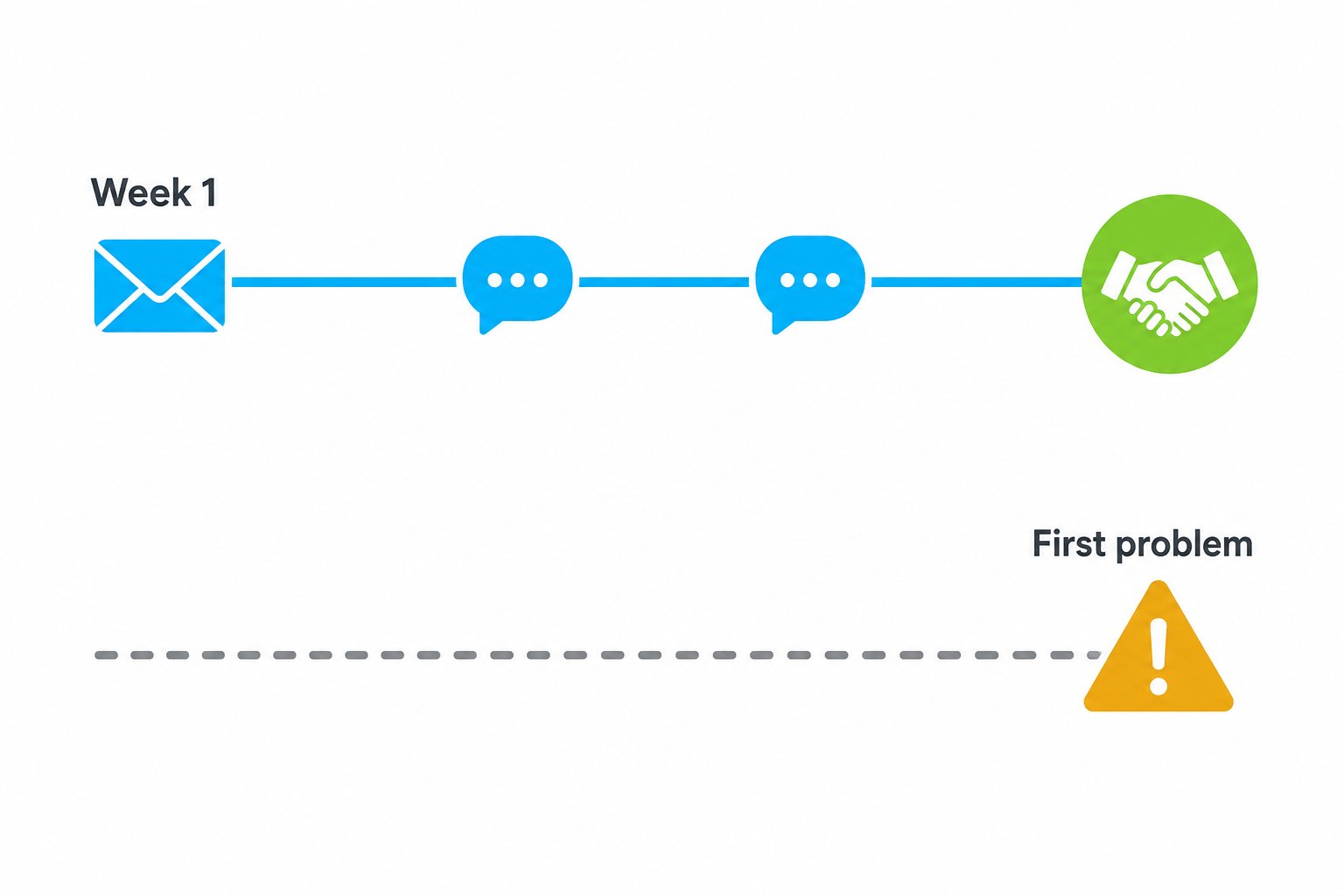
Those conversations are necessary, but they are much easier when the relationship did not begin with the concern itself. When a parent has already introduced themselves and communicated a willingness to work together, there is an existing point of connection. Both parties have already established that they share an interest in the child's success.
Early communication does not guarantee that difficult conversations will be avoided, and that should not be the goal. Students will have challenges. Teachers and parents may occasionally see a situation differently. What matters is that the relationship has some foundation before those moments occur. Trust is easier to build through ordinary, positive communication than in the middle of a disagreement.

What Should Parents Avoid?
The first email of the year should be useful, but it should also be manageable for the teacher receiving it. A lengthy account of every concern a child has ever experienced can make it difficult to determine what information is most important. Parents should be selective and focus on what will help the teacher understand the child at the beginning of the year.
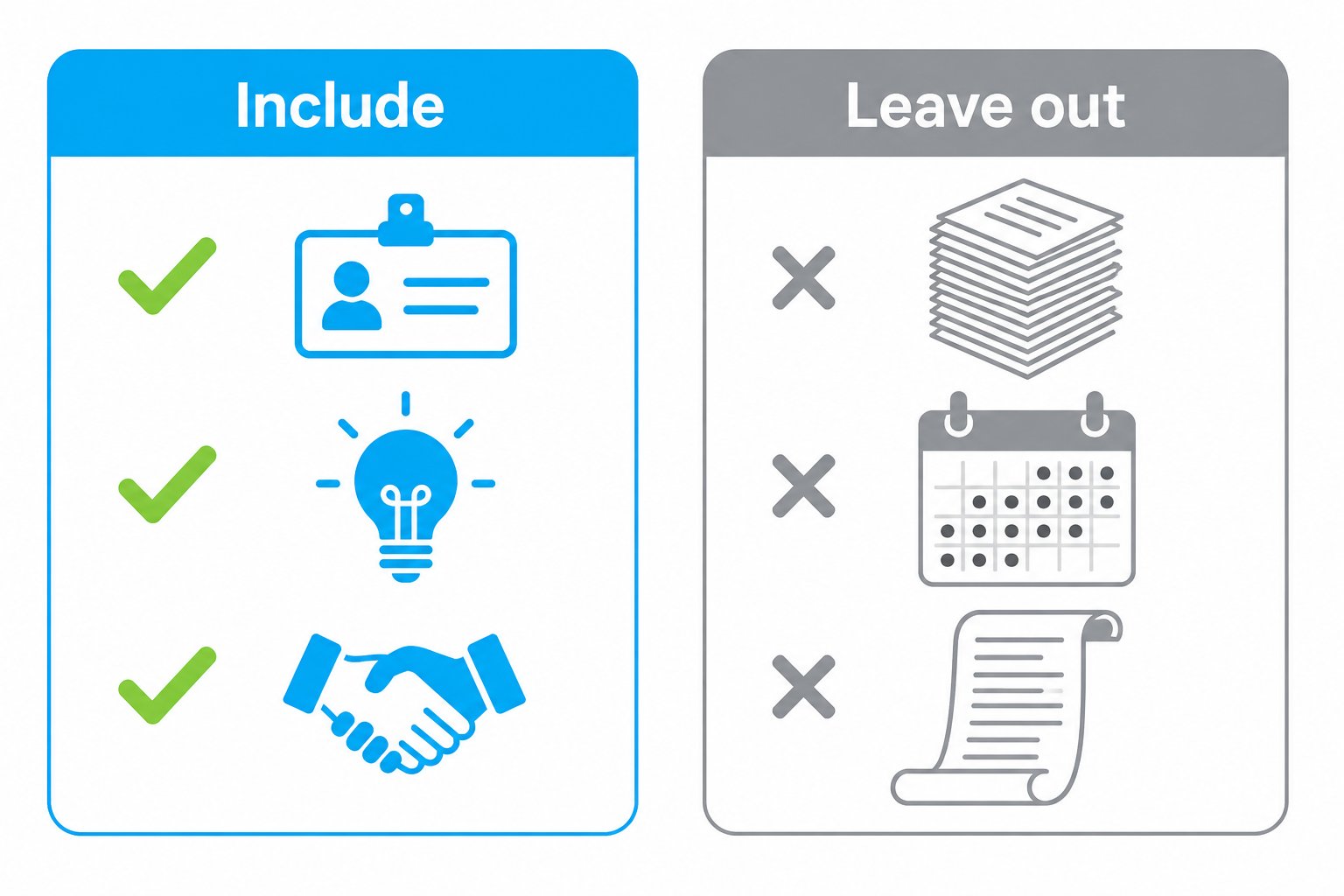
It is also important to give teachers the opportunity to form their own relationship with a student. Parents bring valuable knowledge because they know their children deeply, but a teacher may see strengths, interests, or behaviors that look different in the classroom. Both perspectives matter. The strongest partnerships leave room for teachers and families to learn from one another.
Parents should also be mindful of the expectations they establish in the first communication. Unless there is a documented need or a specific concern that requires frequent communication, asking for daily updates at the beginning of the year may not be necessary. A better starting point is to let the teacher know that you are available, responsive, and interested in working together when needed.
Finally, include a genuine expression of appreciation. Teachers begin the year managing instruction, classroom routines, assessments, family communication, and the work of building a new classroom community. A simple thank you recognizes that work and sets a respectful tone.

What Might the Email Look Like?
None of this requires a long or carefully polished message. A few sentences written in your own voice will do the work.
A Sample Message:
"Hello Ms. Johnson. I hope you are having a wonderful start to the school year. My daughter Ava is very excited to be in your class. One of her greatest strengths is her curiosity, and she especially enjoys hands on learning. She can sometimes be hesitant to participate in large group discussions, but once she becomes comfortable, she is eager to contribute. We are looking forward to working with you this year and are happy to reinforce her learning at home whenever that would be helpful. Thank you for everything you do, and I hope you have a great school year."
The teacher learns something about the student's strengths, learning preferences, and classroom participation. Just as importantly, the family communicates that they are interested in working alongside the teacher.
This type of message works because it gives the teacher something useful without asking them to process an academic history.
Beginning the Year as Partners
Parents and teachers have different perspectives on a child, and both are valuable. Families know the child's history, personality, interests, routines, and experiences outside of school. Teachers see the student in an academic environment alongside peers and have professional knowledge about instruction, development, and classroom learning. When those perspectives are shared, the adults supporting the student have a better chance of understanding what the child needs.
A short email will not create a strong relationship on its own, but it can open the door to one. Parents do not need to wait until there is a concern to introduce themselves or begin communicating with a teacher. A few thoughtful sentences during the first week of school can establish a tone of respect, openness, and collaboration that may serve both the family and the teacher throughout the year.
It is the same principle behind the two summer skills parents forget to practice. The small, ordinary moments are where most of the progress is made.
For parents who would like a simple guide for writing this message, I created The First Email Every Parent Should Send Their Child's Teacher as part of Dr. Sparrow's Parent Quick Guides. The guide includes the key information to share, common mistakes to avoid, and a sample email families can adapt for their own child.
Parents, be honest: have you ever emailed your child's teacher when nothing was wrong? If you sent that email tomorrow, what one thing would you want them to know about your child?
Author Bio:




There are no comments yet. Be the first to leave one.